How to Avoid Sports Injuries
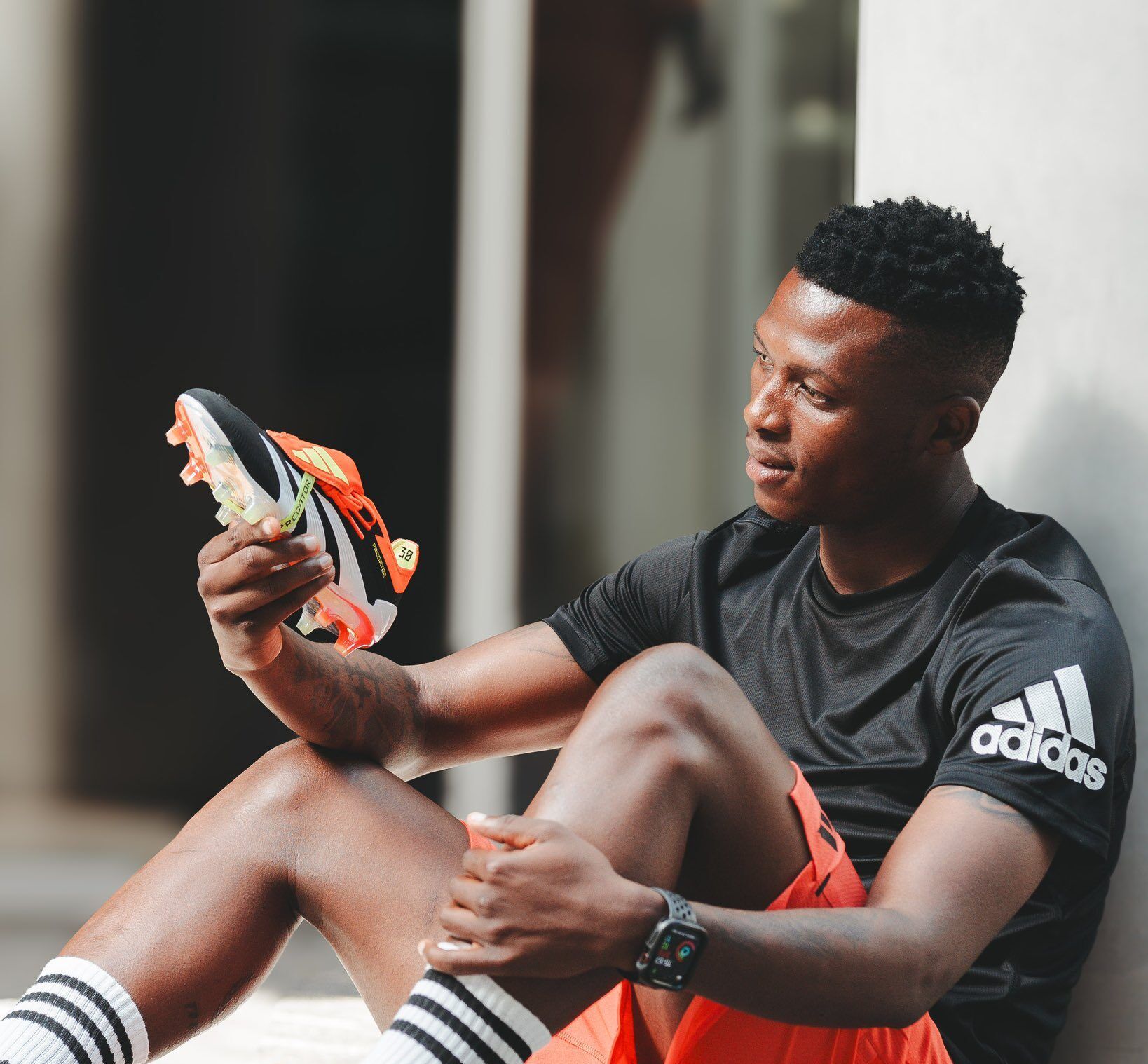
1. Warm Up Before You Play
Never jump straight into intense activity. Your muscles, joints, and heart need time to get ready.
Do this:
- 5–10 minutes of light jogging or skipping
- Stretch your legs, arms, and back
- Gradually increase intensity before training
A proper warm-up improves blood flow and flexibility, reducing the risk of strains and sprains.
2. Learn and Practice Good Technique
Many injuries happen because of poor form or technique.
Ask your coach or trainer to correct your movements — whether you’re running, tackling, or lifting weights. Good technique = good performance + fewer injuries.
3. Don’t Skip Recovery
Rest is part of training. When you push your body too hard without recovery, you increase the risk of injury.
Tips for recovery:
- Sleep at least 7–8 hours
- Stretch after every session
- Take one rest day a week
- Use ice or gentle massage for sore muscles
Remember, growth happens when you rest, not when you overwork.
4. Stay Hydrated and Eat Right
Your body needs proper fuel to perform and repair.
Eat foods rich in:
- Protein (for muscle repair)
- Fruits and vegetables (for vitamins and minerals)
- Carbohydrates (for energy)
- Tip: Drink water before, during, and after activity dehydration can lead to cramps and fatigue.
5. Wear the Right Gear
Protective gear isn’t just for professionals.
Always wear the correct shoes, pads, or braces for your sport.
Even a small piece of equipment like shin guards or ankle straps can make a big difference.
6. Listen to Your Body
Pain is your body’s warning sign. Don’t ignore it.
If something doesn’t feel right, stop and rest.
Pushing through pain can turn a small strain into a serious injury. If pain persists, consult a sports therapist or physiotherapist immediately.
7. Train Smart, Not Just Hard
Avoid doing too much too soon.
Gradually increase your training intensity and mix up your routines — this helps prevent overuse injuries.
Example: Alternate between running, stretching, and strength training days.
8. Get Regular Check-Ups
Athletes should not only visit the doctor when injured. Regular physical assessments can help detect weaknesses, imbalances, or potential risks before they become major problems. At the Thabiso Sport Clinic, our team offers screenings, rehab programs, and mentorship for young athletes helping them stay fit, confident, and career ready.
Final Thought
Success in sport isn’t just about speed or strength it’s about discipline, balance, and body awareness.
When you take care of your body, your body takes care of your dreams. At the Thabiso Sport Clinic, we’re committed to helping every athlete stay healthy, motivated, and injury-free through education, rehabilitation, and mentorship. Join our next Sports Health Workshop to learn more about training safely, improving performance, and building a sustainable athletic career.
